
Kali Puja 2026(কালী পূজা ২০২৬)
Shyama Puja • শ্যামা পূজা1433 Bengali Panjika • Verified Dates & Timings

Looking for calendar views and tithis?
Read more about the exact tithi timings and planetary alignments in our comprehensive November 2026 Calendar.
About Kali Puja (Shyama Puja)
উৎসব পরিচিতি
- Krishnananda Agambagish & The Tantrasara: In the 16th century, the revered scholar and Tantric master Krishnananda Agambagish of Nabadvip received a divine revelation commanding him to fashion a clay image of Mother Kali based on the first woman he encountered at dawn. He codified the iconic image of Dakshina Kali in his celebrated treatise Tantrasara—standing with her right foot forward upon the supine chest of Lord Shiva, holding a bloodied severed head and scimitar, while extending the boons of fearlessness (Abhaya) and granting of wishes (Varada).
- Maharaja Krishnachandra Roy of Nadia: In the 18th century, King Krishnachandra of Krishnanagar formally popularized mass community celebrations of Kali Puja throughout his kingdom. He decreed that every landlord and temple celebrate Shyama Puja with lighting and festive sacrifices, transforming it into a mass public festival.
- Sadhak Ramprasad & Sri Ramakrishna Paramahamsa: The immortal devotional compositions (Shyama Sangeet) of 18th-century poet-saint Ramprasad Sen transformed the fierce, terrifying goddess into an intimate, beloved mother (Maa). In the 19th century, Sri Ramakrishna at the Dakshineswar Kali Temple demonstrated the pinnacle of spiritual surrender through childlike devotion to Ma Bhavatarini, making Bengal's Kali devotion celebrated across the world.
Auspicious 2026 Timings & Tithi Nirghanta (সূর্যসিদ্ধান্ত ও বিশুদ্ধ পঞ্জিকা):
- Date: Sunday, November 8, 2026 (বাংলা ২৩ কার্তিক ১৪৩৩ বঙ্গাব্দ)
- Kartik Amavasya Tithi Begins: Sunday early morning at 04:15 AM IST
- Kartik Amavasya Tithi Ends: Monday morning at 06:05 AM IST (Nov 9)
- Nishita Kaal Puja Muhurat (Prime Midnight Puja Window): 11:39 PM to 12:31 AM IST (Mid-amavasya window for Kalika invocation)
- Dipanwita Pradip Lighting Time: 05:20 PM to 06:45 PM IST on Sunday evening
- Bhoot Chaturdashi (14 Shaak & 14 Pradip): Saturday, November 7, 2026
- Public Holiday Status: Gazetted State Holiday across West Bengal, Tripura, and Assam.
Bhoot Chaturdashi: The 14 Shaak & 14 Pradip Tradition:
Legendary Shrines & Mega Pandal Centers:
- Dakshineswar Kali Temple (Kolkata): The divine seat of Sri Ramakrishna and Ma Bhavatarini witnesses hundreds of thousands of pilgrims offering puja and red hibiscus garlands.
- Kalighat Temple (Kolkata): One of the 51 Shakti Peethas, where Sati's right toe fell; special midnight rituals are held with royal bhog.
- Naihati (Boro Ma): Famous across India for its towering 21-foot clay idol of 'Boro Ma', adorned with pure gold and silver ornaments.
- Barasat & Ranaghat: Globally renowned for massive illuminated pandals and breathtaking electrical lightwork crafted by Chandannagar artisans.
Rituals & How to Celebrate
Traditional Foods & Bhog
Festival Calendar
Bhoot Chaturdashi (14 Pradip)
২২ কার্তিক • ভূত চতুর্দশী ২০২৬ (১৪ প্রদীপ)
Kali Puja (Shyama Puja)
২৩ কার্তিক • কালী পূজা ২০২৬ (শ্যামা পূজা)
Related Festivals
Explore more key pujas & festive dates
Diwali (Deepavali / Festival of Lights)
দীপাবলি ২০২৬ (দেওয়ালি)
Festival of Lights, Lakshmi-Ganesh Puja, Rangoli, and the Victory of Light Over Darkness
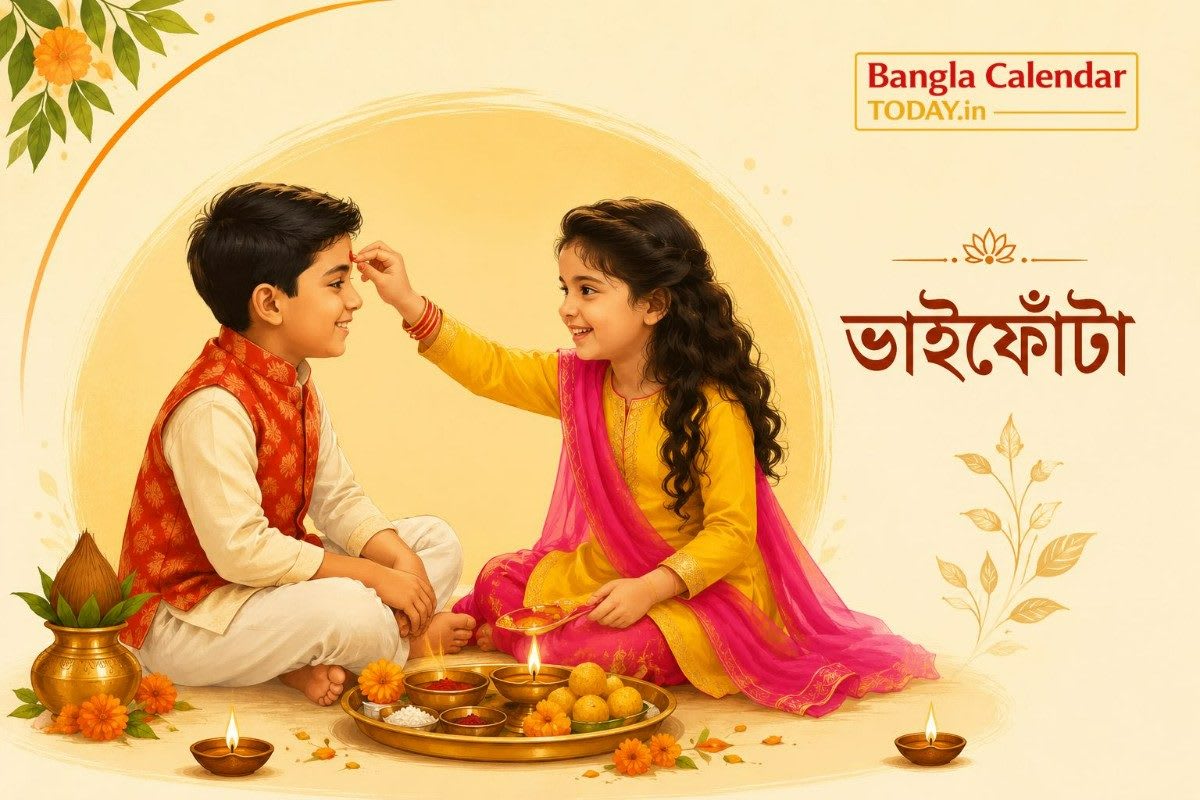
Bhai Phonta (Bhai Dooj / Bhratri Dwitiya)
ভাইফোঁটা ২০২৬ (ভ্রাতৃদ্বিতীয়া)
Bhratri Dwitiya, Sandalwood Phonta, Chanting for Long Life, and Grand Feasts
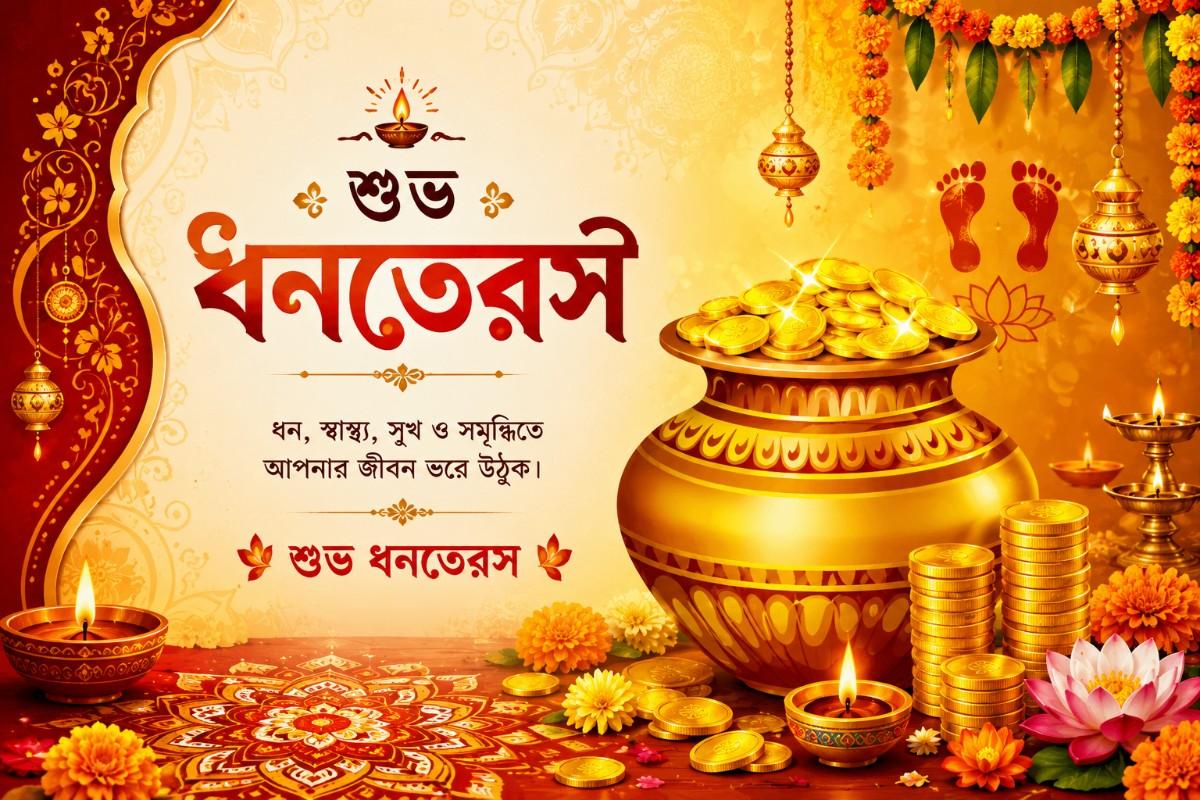
Dhanteras (Dhanatrayodashi)
ধনতেরাস ২০২৬ (ধনত্রয়োদশী)
Dhanatrayodashi, Auspicious Gold & Utensil Buying Muhurat, and Worship of Lord Dhanvantari
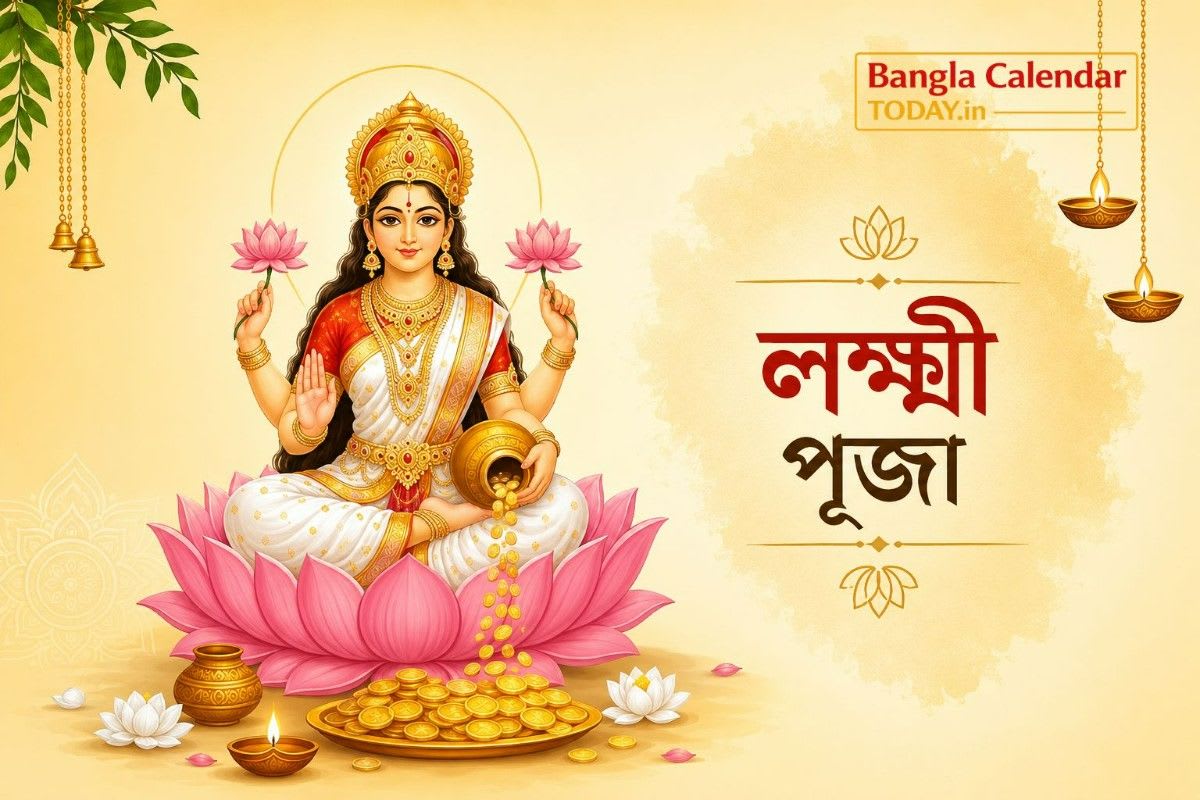
Lakshmi Puja (Kojagari Lakshmi Puja)
কোজাগরী লক্ষ্মী পূজা ২০২৬
Kojagari Purnima, Alpona Art, and the Divine Blessing of Wealth & Prosperity
Jagaddhatri Puja (জগদ্ধাত্রী পূজা)
জগদ্ধাত্রী পূজা ২০২৬
The Protector of the World, Chandannagar Lighting Grandeur, and Krishnanagar Heritage
Durga Puja
দুর্গাপূজা ২০২৬
Six days when Bengal stops being a place and becomes a feeling.